
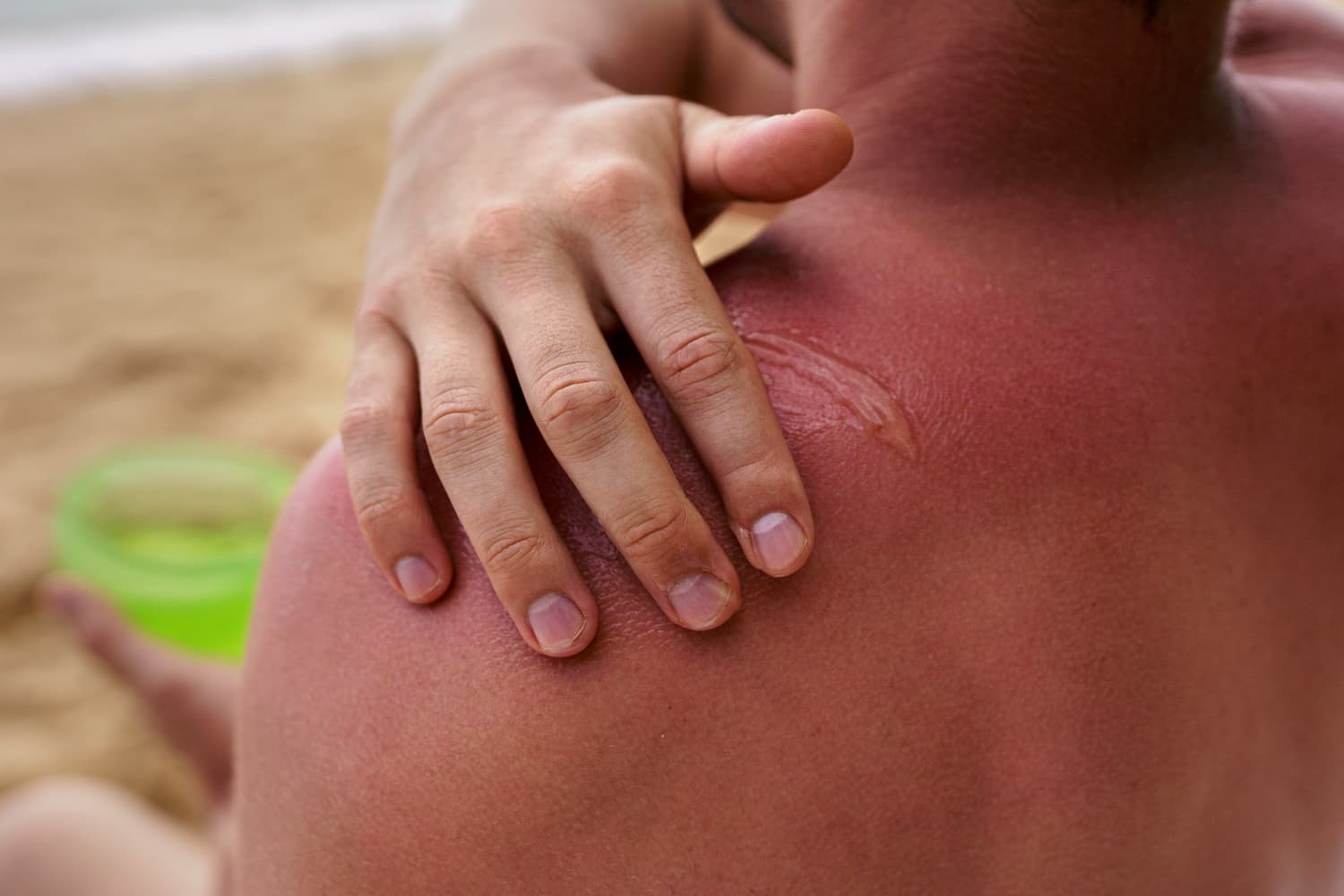
The temperature gets extremely warm during the summer. Heat waves are spreading at a rapid speed. Health-related discussions about heat waves commonly revolve around heat stroke and hydration. Humidity and UV radiation damage your skin. You may feel itchiness, redness or rashes on your skin. The excess heat can also cause dehydration, blocking the pores due to excess oil and sweat and activating complex inflammation. When the temperature rises, the natural cooling process of the body interrupts the natural moisture balance. This leaves the dullness on skin, irritation and makes the skin vulnerable to sunburns.
What Happens Due To Excess Heat?
Blocked Sweat Glands And Heat Rash
Due to a lack of air movement in the hot weather, sweat glands get blocked, and the cooling system fails in that particular area. The result of this is malaria, small heat rashes on the neck, chest, inner arm and back. It will be mild and go away when you take a rest in cool temperatures. Even due to the damaged gland, serious issues may occur, like inflammation, and the skin's ability to maintain temperature is disabled.
Bacterial And Fungal Infection
The risk of infection increases during the day. These bacterial and fungal infections require moisture to grow on your skin. Mostly this occurs in the moist and warm folds of the skin, like under the toe, groin and underarms. Folliculitis occurs when the bacteria grow in the sweat-filled skin, causing red bumps that are mistaken for insect bites.
Barrier Disruption
Heat increases the water loss in the body. As your body loses water, the skin cells shrink. Due to this, your complexion starts feeling tired, dull and tight. Excess heat breaks down the ability of skin to hold the cells together, making it easy for bacteria and allergens to enter.
Acne And Oily Skin
Hot weather naturally activates the glands to produce oil. It then blocks the pores of your skin. This promotes the growth of bacteria, resulting in acne, fungal infections, and heat rashes.
Redness And Inflammation
Heat causes the blood vessels in the skin to expand to push the heat outwards and cool down your body. This helps to maintain the temperature of the body, but it leads to inflammation, redness and swelling.
Pigmentation
Excess heat can cause an increase in the temperature of your skin cells. That produces pigment and makes the dark patches on the skin.
Conclusion
Severe heat can damage your skin due to excess oil, sweating and skin barrier. This may lead to redness, itching, and swelling. With the help of minimal changes in lifestyle, you can protect your skin, such as staying hydrated and protecting your skin from direct exposure to the sun by using scarves and sunscreens. If experiencing severe rashes and acne, then without any delay, consult with the best dermatologists, Dr. Gurinderjit Singh Puri. This is the best option to receive the best treatment for your skin-related issues under the guidance of experienced dermatologists at Puri Skin Clinic. By engaging with them, you can easily gain spot-free skin and a radiant glow.
FAQ'S
How to prevent heat-related fatigue and headache?
You can easily prevent it by staying hydrated, getting a proper reset and avoiding sun exposure at peak hours.
How does the skin rash happen?
It happens due to the blockage of the sweat ducts of your skin.
Did you find this helpful?
Share this article with your community