Understanding
Melasma
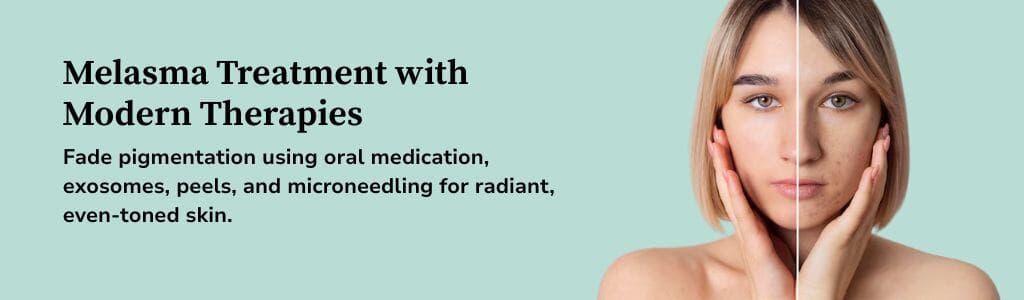
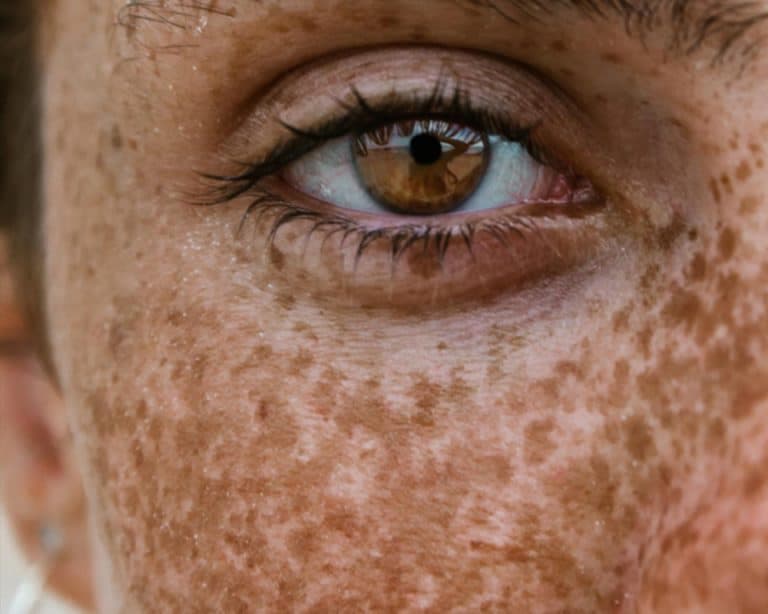
This is a common skin pigmentation irregularity, which also means skin discoloration that happens mainly on the face. This skin issue can be experienced by people irrespective of their gender or race. However, it is very common in people who have a dark skin tone and are mainly between the ages of 20 and 40 years.
Melasma pigmentation involves patches on the skin which looks very irregular. This issue mainly affects the areas that are completely exposed to harmful UV rays or the sun. However, this skin condition is not contagious, and neither is it connected to any kind of allergies, but it can severely affect how one looks and even hamper their overall confidence and appearance.
Melasma vs.
Hyperpigmentation
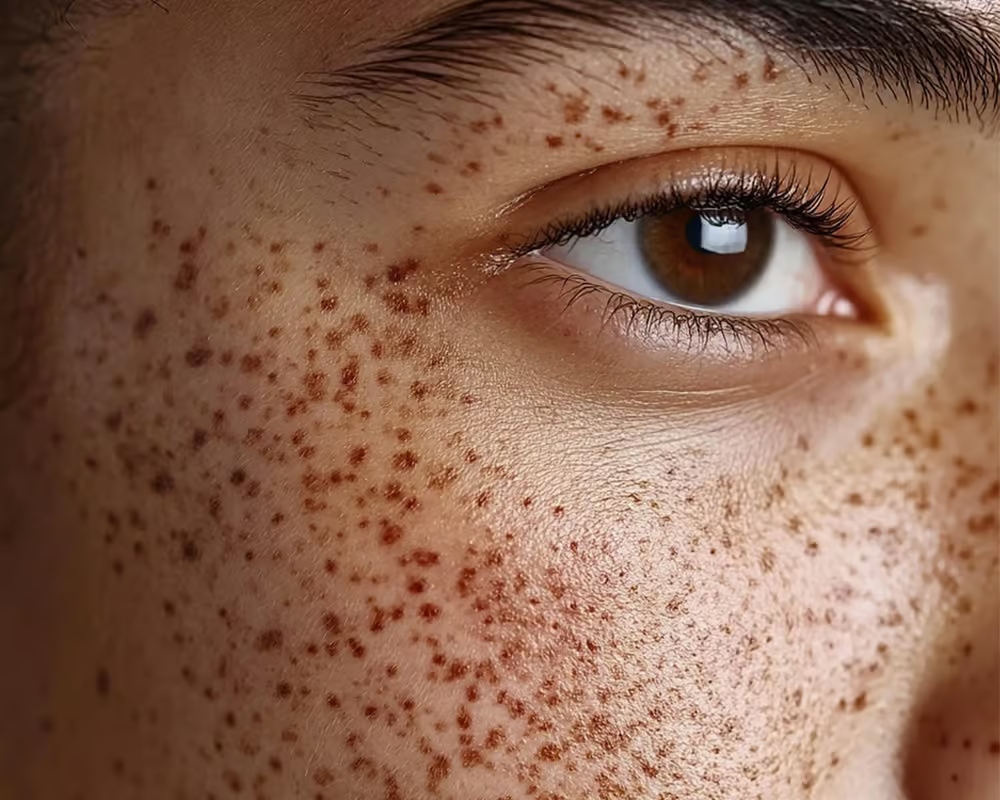
The skin cells of a person make a substance which is known as melanin, and it offers color. If you have dark skin, then there is a possibility that you can easily tan and have more melanin. However, if the skin cells are unhealthy, then too much melanin can be produced.
Thus, certain skin areas can appear to be darker than others. This entire condition or process is hyperpigmentation. However, dark patches that appear specifically on your face and neck are often clinically identified as melasma.
Common Causes of Hyperpigmentation:
What Causes Melasma?
There are mainly three primary causes of melasma that clinicians identify during diagnosis. Understanding these triggers is essential for effective long-term management:
Sun Exposure
Prolonged or direct exposure to the UV rays can create more melanin production. This can further cause melasma.
Hormonal Disturbances
Hormonal changes and melasma can be experienced by a pregnant woman. According to dermatologists, these dark patches are considered chloasma. Also, people who are on hormone replacement therapy or are taking hormone-based medications can even experience melasma. However, this skin condition can be caused by high cortisol levels when you are highly stressed.
Heredity
There are some people who are bound to experience melasma because of their dark skin tone, or it is the same condition that their relatives have.
What are the Types of Melasma?
Melasma can occur in one or more ways. The type of it mainly depends on the color, border shape, and how it responds to the treatment. Here are points defining the melasma types:

Epidermal Melasma
This is a type where melasma mainly affects the skin’s top layer, which is called the epidermis. You can witness these patches on your face and they are generally of dark brown color. Also, the shape of the patches is considered to be uniform.
Dermal Melasma
This melasma type is known to attract the deep skin layers known as dermis. They appear to be bluish-gray and sometimes grayish brown with blurry borders. This melasma gets to the deep layers of the skin, resulting in dermatologists offering treatments like microneedling, etc.
Mixed Melasma
This is a very common melasma type and is an amalgamation of epidermal as well as dermal melasma. The patches are a combination of brown, bluish grey, etc., colors. To get over this melasma type, a dermatologist is going to involve treatments like topical creams, chemical peels, and much more.
How is Melasma
Diagnosed?
A general doctor can suggest that you see a dermatologist for the proper diagnosis of melasma. Later, with the involvement of black light, the doctor will be able to examine the skin and get to know the skin color depth. To understand whether you have melasma or not, a biopsy can be conducted. In this process, a tiny piece of your skin is removed so that it can be properly examined. The procedure is completely safe and is carried out to diagnose various other skin conditions.
In case there are melasma predictions, then a biopsy can provide the apt results. Also, there can be involvement of the Melasma Area Severity Index (MASI) to understand the severity of the condition and how to carry out the treatment further. The dermatologist will conduct a proper examination of your skin and will ask you various questions related to the situation. This will allow you to understand everything and get the best treatment for managing this skin condition.
"Our diagnostic protocols ensure that every patient receives a scientifically backed assessment, paving the way for targeted and effective pigmentation management."
What are the different Melasma Procedures?
In case topical treatments are not worth the shot, then certain clinical melasma procedures can be performed to achieve a clearer complexion:
Light Therapy
This is an intense light therapy. While overexposure to sun causes melasma, certain medical-grade lights can be highly beneficial in reducing or erasing stubborn skin discoloration.
Chemical Peel
A dermatologist can suggest a professional chemical peel to remove damaged surface skin, revealing a new, smooth, and properly toned complexion beneath.
Microneedling
This process involves making tiny, controlled tears in the skin. As your skin naturally heals and regenerates, it offers a significantly more even and radiant skin tone.
Platelet-Rich Plasma (PRP)
A small amount of blood is processed to concentrate platelets and then injected back into the skin. This versatile therapy also addresses hair loss and sports injuries.
How to Prevent Melasma?
There are various ways and tricks to prevent melasma in the long run, and maintaining consistency with these habits is key to clear skin:
Sun Protection & Sunblock
Wearing sunscreen every day (SPF 30 or above) is essential to protect your skin. It is also imperative to wear sun-protective clothing when planning to spend time outside.
Manage Your Hormones
Consulting with a doctor for oral contraceptives or hormone therapy is vital. Getting in touch with an endocrinologist can be the right decision for hormonal issues.
Opt for a Healthy Lifestyle
Try to have nutritious meals every day. It is imperative to keep your body hydrated and remain stress-free to support overall skin health.
Targeted Skincare
Incorporate skin-lightening products that feature Vitamin C, Kojic Acid, and other active ingredients specifically formulated to target pigmentation.
Puri Skin Clinic: The Right Place for Your Melasma Treatment
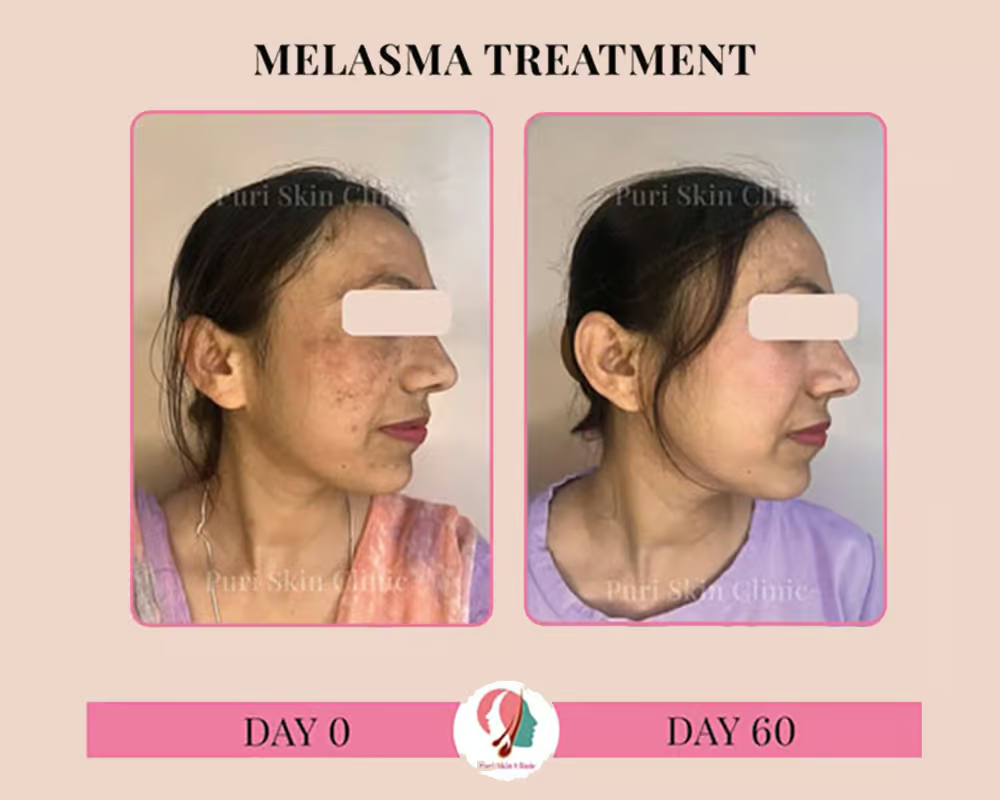
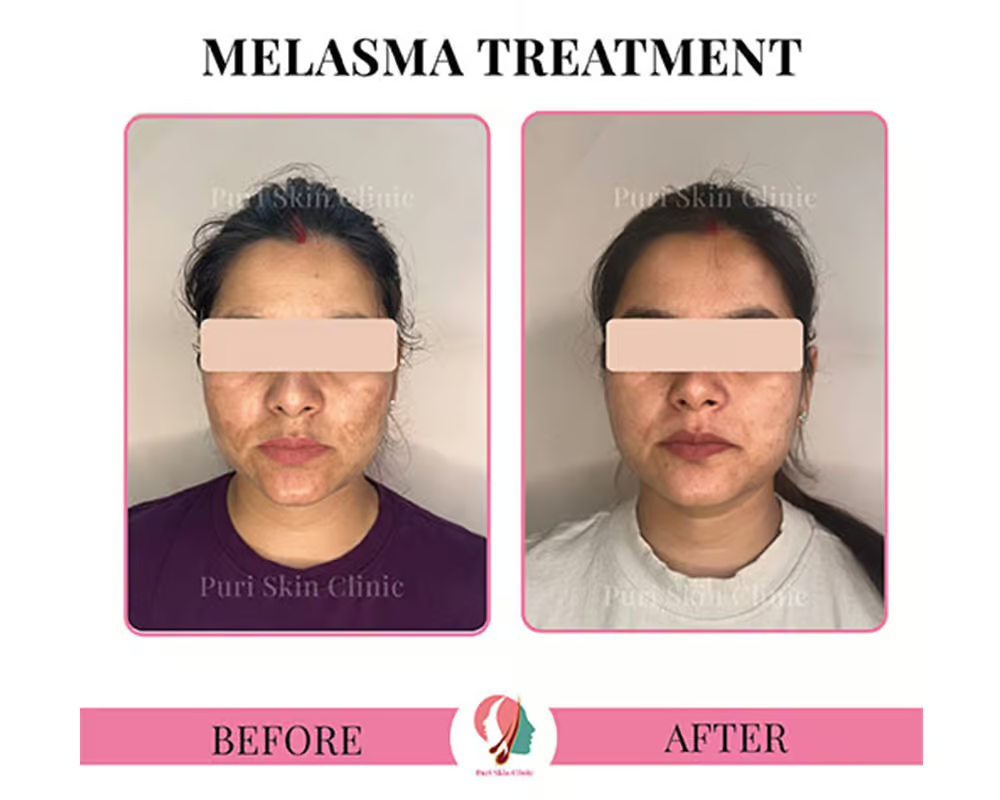
It is highly essential to treat melasma at the right time. It mainly depends on the skin’s condition and its severity. The treatment can involve anti-melasma peels, topical creams, lasers, and various other clinical interventions.
Choosing Puri Skin Clinic to treat your melasma can be helpful in many ways. We have skilled and professional dermatologists who offer tailored treatments depending on an individual’s skin so that the best outcomes can be experienced.
Also, we provide complete details about the treatment involving the melasma treatment cost in Ludhiana, Punjab. With our help, you can achieve healthy, clear, smooth, and glowing skin. Consult our experts today!
Frequently Asked Questions
Melasma is a pigmentary disorder that causes dark, discolored patches on the skin. It is most common on the face and is often triggered by hormonal changes or sun exposure.
While we can significantly fade melasma, it can be persistent and may recur if triggers like sun exposure aren't managed. We provide long-term maintenance plans to prevent recurrence.
Fading melasma is a gradual process. Most patients see noticeable improvement after 4 to 8 weeks of consistent clinical treatment and home care.
Yes, strict sun protection is the single most important factor in managing melasma. Even a few minutes of unprotected exposure can trigger pigmentation.
We typically wait until after pregnancy and breastfeeding to start intensive treatments, as melasma (often called 'the mask of pregnancy') can resolve naturally after childbirth.
Yes, professional superficial peels can be highly effective for epidermal melasma when combined with the right topical and oral treatments.
Yes, microneedling helps break up pigment and allows for deeper penetration of depigmenting agents, especially for dermal melasma.
Puri Skin Clinic offers competitive pricing for melasma treatments, ensuring that advanced clinical care for pigmentation is accessible.